
Dryer Repair Abilene TX | Same/Next Day Fix
Diagnosed first. Clear recommendations.
A dryer that won’t heat, won’t start, or takes too long to dry clothes can quickly interrupt your daily routine. We provide dependable in home dryer repair throughout Abilene, diagnosing the problem first and recommending the repair that best fits your appliance.
Why Choose Us
Why Homeowners Choose Our Dryer Repair Service
For dryer repair Abilene TX homeowners, it can be difficult to know whether a problem is simple or something more serious. Modern dryers use heating components, sensors, thermostats, motors, belts, and electronic controls that all work together. A single symptom can have several possible causes.
Every repair begins with a complete diagnosis.
We identify the actual fault before replacing any parts. Once we’ve inspected the appliance, we’ll explain the problem clearly, answer your questions, and recommend the repair that best fits the condition of your dryer.
Whether your dryer won’t heat, isn’t drying clothes properly, or makes unusual noises, our goal is to restore safe and reliable performance with honest recommendations and quality workmanship.
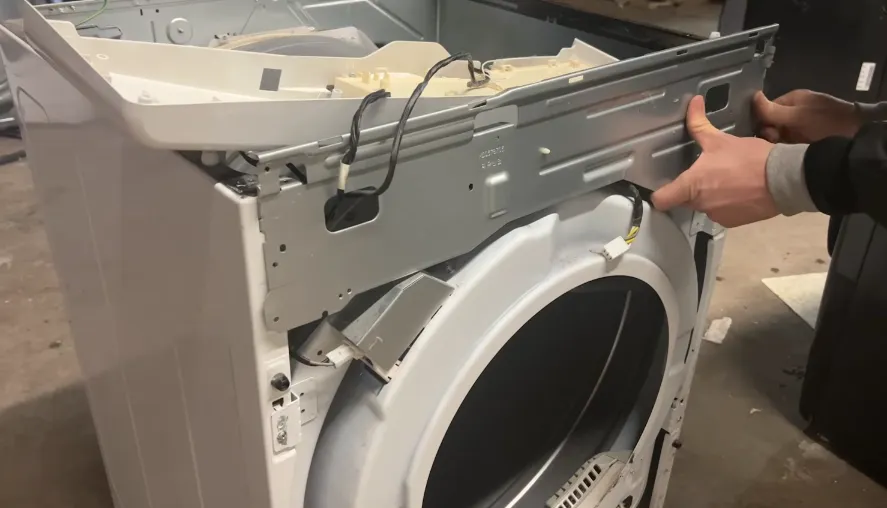
What you can expect from our dryer repair service:
Thorough testing.
We test the components related to the reported dryer symptom.
Clear explanation.
We explain what we find in clear, straightforward language.
Honest recommendations.
We recommend the repair that best fits the condition of your dryer.
No guesswork.
One symptom can have several possible causes, so we test before replacing parts.
Safe operation.
We focus on restoring safe and reliable dryer performance.
Quality workmanship.
We focus on the actual problem rather than unnecessary parts.
Common Dryer Problems
Common Dryer Problems We Repair
Dryers often show warning signs before they stop working completely. We regularly diagnose problems such as:
A heater, fuse, thermostat, igniter, or gas valve component may need attention.
Dryer not starting
A door switch, thermal fuse, start switch, power supply, or control issue can stop operation.
Drum not tumbling
The belt, rollers, pulley, motor, or another drive component may have failed.
Clothes taking too long to dry
Airflow, lint, heating, load size, or sensor issues can affect drying time.
Dryer blowing cold air
Several heating and electrical faults can create the same symptom.
Burning smell during operation
Restricted airflow, lint buildup, worn components, or damaged wiring should never be ignored.
Dryer overheating
Excessive heat can reduce performance and shorten component life.
Loud noises while running
Unusual sounds can indicate worn moving or drive-system components.
Poor drying performance
A complete inspection identifies whether maintenance or repair is needed.
Error codes
Modern dryers use diagnostic codes to identify potential system faults.
Dryer Symptoms Explained
Answers to Common Dryer Problems
Clear explanations of the dryer symptoms homeowners ask about most.
Can anybody fix a dryer that won’t heat or dry clothes?
Many dryers can be repaired when the problem involves a failed heating component, airflow restriction, thermostat, or electrical fault. A professional diagnosis helps identify the exact cause before replacing parts, allowing the repair to focus on the component that has actually failed.
A dryer that runs without producing heat doesn’t always require replacement. Restricted airflow caused by lint buildup can also reduce drying performance even when the heating system is working normally. Identifying the actual fault helps avoid unnecessary repairs and restores efficient drying. See our full dryer not heating guide.
Why isn’t my dryer starting?
A dryer that won’t start may have a faulty door switch, blown thermal fuse, defective start switch, power supply problem, or electronic control issue. Proper diagnosis helps determine which component is preventing the dryer from operating safely.
Before assuming the dryer has failed, check that the door is fully closed and the circuit breaker hasn’t tripped. If it still won’t respond, testing the electrical and safety components is the safest way to identify the problem.
Why is my dryer running but not heating up?
A dryer that runs without producing heat may have a failed heating element, thermal fuse, thermostat, igniter, or gas valve component. Because several different faults can produce the same symptom, professional testing helps identify the actual cause before replacing parts.
When a dryer continues tumbling without heat, clothes remain damp even after a full cycle. A complete inspection helps determine whether the issue involves heating components, airflow restrictions, or electrical controls.
Safety & Performance
Burning Smells, Overheating & Slow Drying
A burning smell or overheating dryer should never be ignored. Common causes include restricted airflow, excessive lint buildup, worn components, damaged wiring, or overheating safety devices. The dryer should be switched off until the cause has been identified. See our full burning smell safety guide.
Why is my dryer taking too long to dry clothes?
Drying times often increase because of restricted airflow, clogged vents, dirty lint filters, heating problems, overloaded loads, or moisture sensor issues. If clothes require multiple cycles to dry, the dryer is working harder than it should. Identifying the cause early helps improve efficiency and restore normal drying performance.
Major Dryer Brands
We Repair Most Major Dryer Brands
Different manufacturers use different heating systems, sensors, drive components, and electronic controls. Experience with a wide range of brands helps speed up diagnosis and ensures the repair focuses on the actual problem instead of replacing unnecessary parts.
If your dryer brand isn’t listed, contact us with the model number and we’ll let you know whether we can help.
Estimated Dryer Repair Costs
Dryer Repair Abilene TX Cost Guide
The total cost of a dryer repair depends on the failed component, the appliance model, replacement parts, and the labor required to complete the repair. See our full cost guide.
| Common Dryer Repair | Estimated Cost Range* |
|---|---|
| Diagnostic Inspection | $75–$125 |
| Heating Element Replacement | $150–$300 |
| Thermal Fuse Replacement | $100–$200 |
| Drive Belt Replacement | $120–$250 |
| Drum Roller Replacement | $150–$300 |
| Idler Pulley Replacement | $150–$300 |
| Igniter Replacement (Gas Dryer) | $175–$350 |
| Thermostat Replacement | $150–$300 |
| Motor Replacement | $300–$600 |
| Control Board Replacement | $250–$500 |
About these estimated ranges
Estimated ranges are provided for general informational purposes only. Actual repair costs depend on your dryer model, the parts required, labor involved, and the condition of the appliance. A complete diagnosis is performed before any repair recommendation is made.
Dryer Error Codes
Common Dryer Error Codes
Many modern dryers display diagnostic error codes when a problem is detected. These codes can point to heating failures, airflow restrictions, moisture sensor problems, door switch faults, or electronic control issues.
LG Dryer Error Codes
Learn what common LG dryer error codes mean and when professional diagnosis is recommended.
Samsung Dryer Error Codes
Understand Samsung dryer error codes related to heating, ventilation, moisture sensors, and electronic controls.
Whirlpool Dryer Error Codes
Find information about Whirlpool dryer error codes and the components commonly associated with each fault.
GE Dryer Error Codes
Review GE dryer error codes that relate to heating performance, airflow, and control system faults.
Maytag Dryer Error Codes
Learn how Maytag dryer error codes help identify common dryer problems before repairs begin.
Don’t See Your Brand?
We repair dryers from most major manufacturers, even if the error code system is not listed here.
Before You Call
What You Can Check Before Calling
Before scheduling a repair, there are a few simple things you can safely check. If the problem continues after these basic checks, professional diagnosis is usually the next step.
Safe checks before scheduling:
- Clean the lint filter.
- Make sure the dryer door closes completely.
- Confirm the circuit breaker hasn’t tripped.
- Check that the exhaust vent isn’t blocked.
- Avoid overloading the dryer.
- Verify the correct drying cycle is selected.
Still not working? It is time for a professional diagnosis.
How It Works
How Our Dryer Repair Process Works
1. Schedule Your Appointment
Tell us what you’ve noticed so we understand the symptoms before arriving.
2. Professional Diagnosis
We inspect the dryer and test the components related to the reported problem.
3. Explain the Problem
You’ll receive a clear explanation of the fault and the recommended repair.
4. Upfront Estimate
Before any repair begins, we’ll provide an estimate so you can decide how you’d like to proceed.
5. Complete the Repair
Once approved, we’ll complete the repair using the appropriate replacement parts.
6. Final Performance Testing
After the repair, we test the dryer to confirm it heats, tumbles, and operates correctly before the appointment is complete.
Dryer Maintenance
Dryer Maintenance Tips
Routine maintenance helps improve drying performance and may reduce unexpected repairs.
Clean the lint filter after every load.
Removing lint helps airflow and supports safe operation.
Inspect and clean the dryer vent regularly.
Restricted vents can lengthen drying time and contribute to overheating. If a repair doesn’t seem worth it on an older unit, see our repair or replace guide.
Avoid overloading the dryer.
Loads should have room to tumble and dry efficiently.
Keep the area around the dryer free from lint.
Routine cleanup helps maintain a safer laundry area.
Watch for unusual noises or burning smells.
Address them promptly if drying performance changes.
Schedule repairs promptly.
Simple maintenance helps improve efficiency, reduce drying times, and support safe operation.
Related Repairs
Other Appliances We Repair in Abilene
Parts and Warranty
Parts and Warranty for Dryer Repair
The model number helps us find the right part on the first visit instead of guessing. It is usually printed on a sticker inside the door frame or on the back panel. If you can find it before we arrive, we can check part availability ahead of time.
Some parts, like a thermal fuse or a belt, are usually in stock. Others need to be ordered. If a part has to be ordered, we explain the next step and give you a realistic sense of the wait before we leave. We use manufacturer or equivalent parts, not used or mismatched components.
If your dryer is still under manufacturer warranty, tell us before the visit. Some repairs may need to go through the manufacturer instead of an independent repair. For more detail on parts and warranty, see our appliance repair FAQ.
FAQ
Frequently Asked Questions About Dryer Repair
This usually points to a failed heating element, a tripped thermal fuse, or on gas dryers, an igniter that is not lighting. A blocked vent can also trip the safety thermostat as a protective shutoff. We test the heating circuit and airflow together, since a vent problem often gets blamed on the element instead.
A clogged lint screen, a blocked exhaust vent, or weak airflow are the most common causes. If clothes take two cycles to dry but the dryer still gets hot, airflow is more likely the problem than the heating element itself. We check the full vent path, not just the lint trap.
Lint buildup inside the dryer or the vent line is the most common cause, since it can scorch against the heating element. A failing motor or a worn belt can also create a burning smell. Stop using the dryer and call us so we can find the exact source before it becomes a fire risk.
Yes, it can be. Lint is highly flammable, and a burning smell often means it has built up somewhere near a heat source inside the dryer or vent. Do not run another cycle. Unplug the dryer if you can safely reach the outlet, and call us before using it again.
Yes. Abilene’s dust settles inside vent lines and lint traps faster than in less dusty regions, which restricts airflow over time. Reduced airflow makes the dryer work harder and can trigger the same symptoms as a failing heating element. Regular vent cleaning matters more here than in most other areas.
This usually means the heating element or igniter has failed completely, since the drum is still turning but nothing is generating heat. On gas dryers, a bad igniter or a closed gas valve is common. On electric dryers, a burned out element or a tripped thermal fuse is the usual cause.
It depends on the part that failed and the age of the dryer. A heating element or thermal fuse is usually an affordable repair worth doing on most dryers. A cracked drum or a failing motor on an older unit is where replacement starts to make more financial sense. We will walk you through it.
Dryer Repair Across Abilene, TX
Dryer problems come up in homes across Abilene, from Far Southside and North College to Original Town South, Park Central, and Red Bud. We provide dryer repair throughout Abilene, including ZIP codes 79601, 79602, 79603, 79605, 79606, and 79607.
West Texas dust is a real factor in dryer performance here. Fine dust and dirt can work into vent lines and lint traps faster than in less dusty climates, which is one of the more common causes of long dry times and, in worse cases, a real fire risk if the vent stays blocked.
Service Area
Dryer Repair Abilene TX & Nearby Areas
We provide dryer repair throughout our service area, including:
If you’re unsure whether your location is within our service area, contact us and we’ll be happy to help.
Call (325) 332-0822Schedule Today
Schedule Your Dryer Repair in Abilene Today
A dryer that won’t heat, won’t start, or takes too long to dry clothes can quickly interrupt your daily routine. We’ll inspect the appliance, identify the cause of the problem, explain your repair options clearly, and recommend the solution that best fits your dryer.